%2Ffit-in%2F250x250%2Fguide_websites%2F29924%2Fimages%2F1744678250752fishingchartericons.png&w=1920&q=100)
Coho Salmon Catch on Lake Michigan in Kenosha
Coho Salmon Fishing in Kenosha - What to Expect
%2F%2Fusers%2F739e0037-4a38-4f72-a21e-a45ef174e4b6%2Fimages%2Fkenosha-coho-salmon-fishing-catch-2639.jpg&w=1920&q=75)
Fishing Charter by Captain Chris Rugg in June

Meet your Captain Chris Rugg
- Top Salmon Fishing Charter – Kenosha, WI Waters


Summary
Experience a Saturday in June fishing for coho salmon on a charter in Kenosha with Captain Chris Rugg. This fishing charter targets premium saltwater species in Lake Michigan, delivering the authentic catch-and-release or keeper experience serious anglers seek.
Fishing Charter with Captain Chris Rugg - Rates & Booking
Captain Chris Rugg of High Life Sport Fishing operates fishing charters on Lake Michigan out of Kenosha on Saturday in June. As an experienced guide working these waters year-round, Chris brings insider knowledge of coho salmon behavior, seasonal migration patterns, and the specific techniques that produce consistent catches. His charter fishing trips are designed for anglers of all skill levels, from beginners learning the fundamentals to experienced fishermen targeting trophy-sized coho.
High Life Sport Fishing provides everything needed for a successful day on the water. All fishing gear is included with your charter, along with professional guidance on technique, tackle selection, and fish handling. Captain Chris manages all aspects of the experience, from locating active schools to coaching proper hook sets and landing procedures. Contact High Life Sport Fishing directly to check availability, confirm group size, and discuss any specific preferences for your coho salmon charter. Book your fishing experience today.
Highlights of Lake Michigan Coho Fishing
Coho salmon in Lake Michigan are aggressive fighters known for spectacular aerial displays and hard runs that test even experienced anglers' skills. These fish average 8-12 pounds but frequently exceed 15 pounds, making them one of the most exciting species in the region. The Kenosha area sits in a prime zone where coho congregate during their seasonal movements, and Captain Chris positions charters to intercept these runs consistently.
The Lake Michigan experience combines the thrill of saltwater-style fishing with freshwater accessibility. Coho respond aggressively to trolling techniques and casting presentations, and the unpredictable nature of their strikes keeps the action engaging throughout the day. Successful coho charters often involve multiple hookups and the chance to land several fish, delivering the full-throttle experience serious anglers travel for.
Local Species Insights: Coho Salmon
Coho salmon in Lake Michigan exhibit behavior patterns distinct from their Pacific ocean cousins. These fish were introduced to the Great Lakes in the 1960s and have thrived, establishing a robust population that supports excellent recreational fishing. Lake Michigan coho are migratory fish that follow food sources and temperature conditions throughout the year, moving from deeper cold-water zones in summer to coastal shallows during fall spawning runs.
The coho's aggression makes them ideal for active fishing techniques. They respond to trolled spoons, crankbaits, and live bait presentations with explosive strikes that demand quick reactions. Unlike some salmon species that become lethargic when hooked, coho maintain their fighting intensity from the moment of hookset through landing, often launching multiple feet into the air. This combination of accessibility and pure fishing excitement explains why coho charters rank among the most popular options in Lake Michigan.
Kenosha's location provides year-round coho opportunity, though peak seasons vary. Spring and early summer fishing focuses on post-spawn fish transitioning back to deeper water. Summer charters pursue coho in mid-lake zones where cooler temperatures concentrate the population. Late summer into fall offers some of the most exciting fishing as coho begin their pre-spawn movements closer to shore and into tributary rivers.
Captain Chris Rugg's experience reading these patterns and adjusting presentations accordingly is what separates consistent catches from mediocre days. His knowledge of specific structure, depth zones, and seasonal timing translates directly into more fish in the boat and more memorable moments for anglers.
Fishing in Kenosha: Coho Salmon
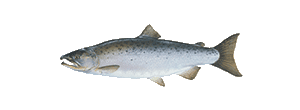
Coho Salmon (Oncorhynchus Kisutch) is one of the most sought-after game fish in the Salmonidae family, belonging to the order Salmoniformes. Known affectionately as silver salmon for its brilliant silvery coloration, this acrobatic fighter is famous among anglers for its tremendous leaping ability and fierce strikes. With a dark blue-green back, silvered sides, and distinctive black spots adorning its upper body, mature Coho salmon undergo a dramatic transformation during spawning season, developing maroon to reddish flanks and darkened backs. What makes this species truly special is its incredible migratory journey from freshwater rivers to the open ocean and back again—a testament to nature's most remarkable navigation system. Whether you're fishing in Alaska or exploring the rivers of the Pacific Northwest, encountering Coho salmon is an experience that defines outdoor adventure in these legendary waters.
Coho Salmon Overview
Coho salmon represent one of the Pacific's most prized catches, beloved by both recreational anglers and commercial fisheries. These fish are renowned for their spirited fights, bright orange-red flesh, and exceptional culinary qualities. Unlike their larger Chinook cousins, Coho salmon offer an ideal size for targeting—large enough to be challenging and rewarding, yet manageable for anglers of varying skill levels. The species thrives in the cold, clean waters of the North Pacific, and its presence signals a healthy, thriving ecosystem. For outdoor enthusiasts, pursuing this remarkable species connects you to centuries of fishing tradition and the wild heart of the Pacific Northwest.
Coho Salmon Habitat and Distribution
These remarkable fish are found throughout the North Pacific Ocean, ranging from Alaska streams and rivers down through Southeast Alaska waters to Central California, and extending from Washington and Oregon down to Central California and even reported sightings in Baja California, Mexico. Coho salmon prefer calm, quiet areas sheltered under debris and are commonly found in large rivers with direct ocean access. During their juvenile stage, young fish spend time in freshwater nurseries, gradually transitioning to estuaries where fresh and saltwater mix, before eventually migrating into the open ocean. Famous fishing destinations like Katmai National Park, Alaska have become legendary for their abundant Coho salmon populations. The species demonstrates a preference for cool, well-oxygenated waters and is typically encountered in lakes, rivers, nearshore zones, and onshore areas during different life stages.
Coho Salmon Size and Weight
Typical Coho salmon typically measure between 24 to 43 inches in length and weigh 8 to 12 pounds on average, making them an ideal target for anglers seeking substantial fish without the extreme challenge of pursuing massive Chinook. The species has produced impressive specimens, with the world record Coho caught in the Great Lakes weighing a remarkable 33 pounds 4 ounces—a testament to the exceptional conditions found in these waters. Most anglers expect to encounter fish in the 8 to 15-pound range, which provides excellent sport and reasonable portability. Size varies based on geography, age, and environmental conditions, with ocean-reared fish typically growing larger than their freshwater counterparts. This optimal size range makes Coho salmon particularly attractive to anglers who want a challenging fight without requiring specialized heavy equipment.
Coho Salmon Diet and Behavior
Coho salmon are opportunistic feeders with diverse dietary preferences, consuming aquatic insects, smaller fish species, squid, herrings, pilchards, crustaceans, and sand lance depending on their life stage and environment. Young fish in freshwater primarily hunt insects and small invertebrates, while ocean-dwelling Coho aggressively pursue baitfish and other protein-rich prey. Their predatory nature makes them highly responsive to lures and baits that mimic natural food sources. These fish are famously acrobatic, launching spectacular aerial displays when hooked—some individuals can jump vertically up to 6 feet out of the water. Coho are known for their aggressive behavior during spawning migrations, striking with intensity and fighting fiercely even when exhausted. This combination of intelligence, strength, and athleticism makes them genuinely exciting adversaries that test an angler's skill and equipment. Their behavior changes dramatically as they transition from ocean to river, becoming more selective and protective as they approach their spawning grounds.
Coho Salmon Spawning and Seasonal Activity
Coho salmon undergo one of nature's most compelling transformations during their anadromous life cycle. Females reach spawning maturity at age three and construct carefully engineered gravel nests where they deposit fertilized eggs. Depending on water temperature, eggs typically hatch within 6 to 7 weeks, with hatching occurring in late winter or early spring when water conditions are optimal for fry survival. Males develop their distinctive hooked jaw, called a kype, making it impossible for them to close their mouths—a dramatic physical adaptation that serves their aggressive spawning behavior. Sadly, all Coho salmon die shortly after spawning, having exhausted their biological reserves during the demanding freshwater journey and reproductive process. This ephemeral life story creates urgency and poignancy to their migration, as each fish represents a final, desperate journey home. The spawning season typically occurs in fall and early winter, drawing anglers to rivers throughout Alaska, the Pacific Northwest, and California during peak migration periods.
Coho Salmon Techniques for Observation or Capture
Spin Casting Methods: One of the most effective approaches for Coho salmon involves swinging spinners through fast-moving water sections. This technique capitalizes on the species' aggressive feeding response to flash and vibration. In slower holding water, twitching jigs with long tails generates the lifelike movement that triggers strikes. Opt for jigs that flutter and dance in the current, mimicking wounded baitfish. Float fishing with roe is another proven method suitable for both fast and slow water—simply fasten a cut roe to your hook and allow it to swing naturally into productive zones. Around Katmai National Park, Alaska, these spin-casting techniques consistently produce excellent results during peak season.
Fly Fishing Approach: For those seeking the ultimate connection with Coho salmon, fly fishing delivers unparalleled excitement. A single-hand fly rod with a strong handle provides the lifting power necessary for these aggressive fish. Leaches, minnow patterns, and wooly buggers serve as excellent fly choices, with bright patterns in chartreuse, pink, and fuchsia proven especially effective. The takes are often violent and immediate, providing an adrenaline rush that spinning never quite matches. Early morning or late evening periods typically produce the most aggressive feeding.
Trolling and Live Bait: From boats in nearshore environments, trolling with plugs, spoons, and trolling flies covers significant water and connects anglers with migrating populations. Live minnows and fresh roe presented at depth effectively target deeper-holding fish. This method requires patience but rewards persistence with solid hookups.
Coho Salmon Culinary and Nutritional Notes
Wild Coho salmon stands among the finest fish for culinary purposes, prized for its distinctive bright orange-red meat and exceptional flavor profile. This vibrant coloration indicates superior fat content and omega-3 fatty acids, which provide significant nutritional benefits including heart health support and anti-inflammatory properties. The firm, flavorful flesh handles diverse preparation methods beautifully—grilling, smoking, poaching, and pan-searing all yield outstanding results. Many consider wild Coho superior in taste to farmed alternatives, citing the fish's natural diet and active lifestyle as contributing factors to superior flavor and texture. From a sustainability perspective, wild Coho populations remain relatively healthy in most regions, making them a responsible seafood choice. The species' tremendous taste and nutritional value have made it a cornerstone of Pacific Northwest cuisine for generations, and freshly caught fish offer an unparalleled gastronomic experience.
Coho Salmon Frequently Asked Questions
Q: What is the best bait or lure for catching Coho salmon?
A: Coho salmon respond excellently to multiple presentations. Fresh roe (fish eggs) remains a top choice for its natural scent and appeal. Bright-colored spinners, particularly in silver and gold, trigger aggressive strikes in fast water. Fly fishers succeed with minnow patterns, leaches, and wooly buggers in chartreuse, pink, and fuchsia. Live minnows and small plugs also produce consistent results. The key is matching your presentation to water conditions and seasonal behavior—aggressive lures work best during peak feeding periods.
Q: Where can I find Coho salmon near popular fishing destinations?
A: Coho salmon distribution spans from Alaska streams down through Washington, Oregon, and Northern California. Katmai National Park in Alaska is world-famous for Coho populations, particularly in river systems during peak migration. British Columbia waters hold excellent populations, as do rivers throughout the Pacific Northwest. Check with local fish and game agencies for current run timing and access information, as migration periods vary by latitude and specific river systems.
Q: Is wild Coho salmon good to eat?
A: Absolutely—wild Coho salmon is considered among the finest eating fish available. Its bright orange-red flesh indicates excellent fat content and omega-3 fatty acids. The flavor is rich, distinctive, and universally praised. Sustainability is generally strong for wild populations in most regions, making it a responsible seafood choice. Fresh-caught Coho prepared shortly after capture represents an exceptional culinary experience.
Q: When is the best time to catch Coho salmon?
A: Coho salmon typically migrate into freshwater systems during fall and early winter months, though timing varies by region and specific river. Peak fishing usually occurs September through November, depending on latitude. Ocean fishing opportunities exist throughout the year in many regions. Water temperature significantly influences feeding intensity—actively feeding fish are more likely to strike during optimal conditions. Contact local outfitters or fish agencies for specific timing information for your target area.
Q: How can I identify Coho salmon compared to other Pacific salmon species?
A: Ocean-phase Coho display a distinctive dark blue-green back with bright silver sides and white belly, earning them the nickname "silver salmon." Black spots mark the back and upper tail. Mature spawning fish develop dramatic maroon to reddish sides and darkened backs. Compared to larger Chinook salmon, Coho are noticeably smaller. Pink and Chum salmon are also smaller species but lack the bright silver coloration. The combination of silver sides, dark back, and black spotting pattern makes mature Coho relatively easy to identify.
Q: What makes Coho salmon special for anglers?
A: Coho salmon are legendary fighters, known for spectacular aerial acrobatics—some individuals jump vertically up to six feet from the water. Their aggressive strike, powerful runs, and acrobatic leaps create excitement unmatched by many other species. The optimal size range of 24-43 inches provides genuine challenge without requiring extreme expertise or equipment. Their anadromous migration pattern—moving from ocean to river and back—represents one of nature's most remarkable journeys. For many anglers, pursuing Coho represents the pinnacle of Pacific Northwest fishing adventure.